 Green Bay Egress Windows
 Basement Window Replacement in Green Bay
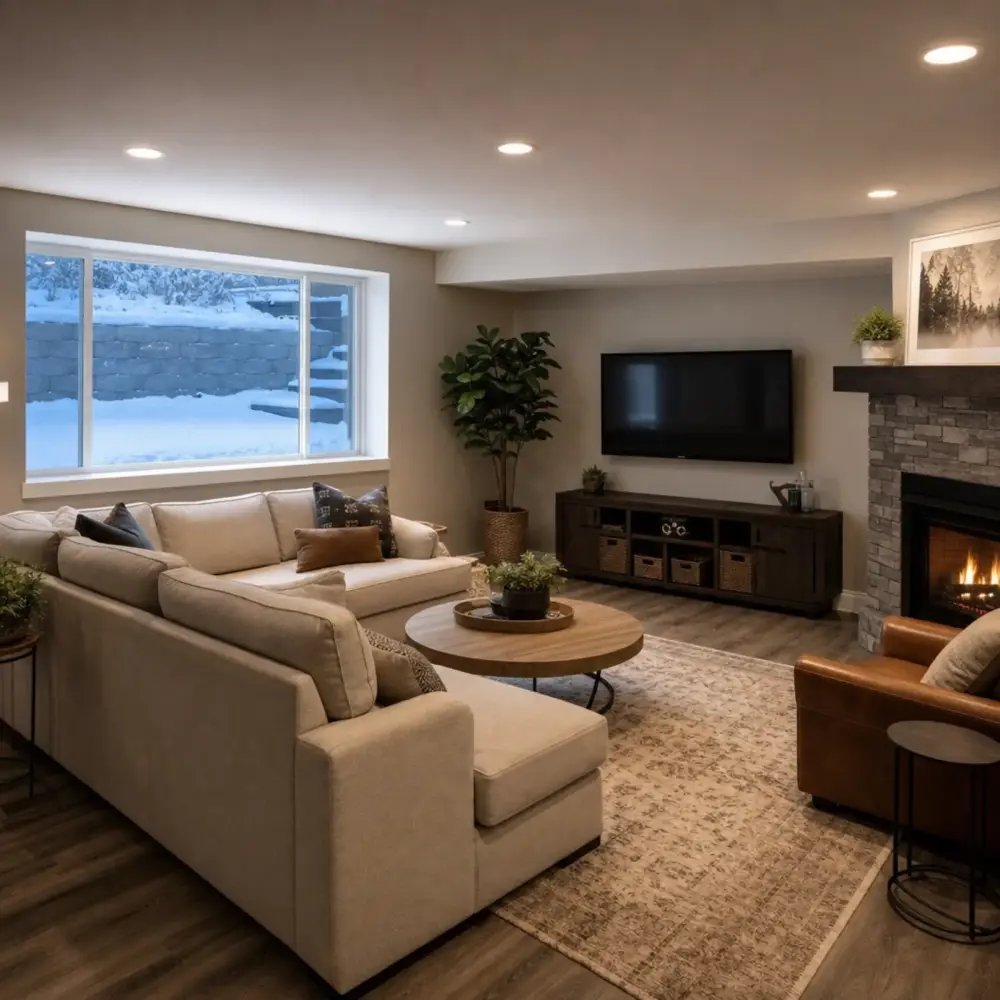
Green Bay Egress Windows replaces failing basement windows - single-pane hoppers, rotted sashes, drafty steel frames, and glass block - with modern, efficient units in the existing opening for $400–$1,100 per window, installed year-round. No concrete cutting, no excavation: this is the fast, affordable end of basement window work, and it’s often the honest recommendation when a full egress cut isn’t what your house actually needs.
The distinction matters, so here it is up front: replacement works within the opening you have. If the room is (or will be) a bedroom, Wisconsin’s Uniform Dwelling Code requires an egress opening with at least a 20-by-24-inch net clear opening - which almost no original Green Bay basement window can deliver - and that’s a full egress installation, not a swap. We’ll tell you which job you need at the free measure, not after.
Why Green Bay basements are full of failing windows
The housing stock explains the demand. Pre-war homes on the near-east side, around the Astor neighborhood, and across the river off Broadway commonly have original wood-sash basement windows - eighty-plus years of grade-level moisture has rotted sills and swollen frames shut. The postwar ranch belts carry steel-framed hoppers that sweat, rust, and radiate cold. And somewhere between the 1950s and the 1990s, a large share of both got “fixed” with glass block: burglar-resistant and maintenance-free, but ventless (unless a small vent was mortared in), dim, and useless as an exit.
All three fail the same way in this climate: condensation in the cold months, air leakage you can feel from the couch, and frames that no longer seal against the clay-splash and snowmelt at grade. A basement window is the coldest, wettest window in a Wisconsin house - it deserves the best glazing in the house and usually has the worst.
What we install
Vinyl hopper and slider units built for climate-zone cold: double-pane, low-E coated, argon-filled, with U-factors in the 0.30-or-better class that cold-climate energy specs point to. Vinyl frames don’t rot in ground-level moisture the way wood does and don’t conduct cold the way steel does. Where an opening allows it, a slider gives more glass and easier operation; hoppers suit the short, wide openings most older basements have.
The swap, honestly described:
- Measure and order. Openings in older Green Bay foundations are rarely square - each unit is measured, not assumed.
- Remove the old unit - sash, frame, and fasteners. Glass-block removal means cutting the mortar joints and taking the block out course by course without disturbing the surrounding masonry.
- Rebuild the buck. The pressure-treated buck frame around the opening is the usual hidden casualty; rot gets cut out and replaced, and the new buck anchors to sound concrete.
- Set, seal, insulate. The new unit is shimmed square, foam-sealed at the perimeter, flashed at the exterior, and caulked - the air-sealing is worth as much as the glass.
- Finish. Interior trim or a clean sealed reveal, exterior sealant tooled, hardware demonstrated.
About an hour per window once on site. Multiple windows in one visit is the efficient way to buy this work - most of the cost of window one is mobilization.
Replacement or upgrade? The honest decision tree
- The room is a bedroom (or will be listed as one). Replacement can’t get you to code - the opening itself is too small. You need the egress installation with its permit, saw cut, and areaway. Sellers and landlords: the code compliance upgrades page covers the deadline version.
- The window works but the well outside it is a rusted planter. Fix the well and drainage first - a new window behind a flooding well rots on schedule. See window well installation.
- The glass sweats, the frame leaks air, the room is storage or laundry. Straight replacement - this page, $400–$1,100, any month of the year.
- You’re finishing the basement into living space. Do the egress opening(s) for any bedrooms and replace the remaining small windows in the same season; the basement ends up bright, sealed, and legal at once. Full numbers on the pricing page.
The fine print, kept honest
Like-for-like replacement in an existing opening usually doesn’t trigger a building permit, but municipalities here make their own calls - Green Bay, De Pere, Howard, Suamico, and Bellevue each run their own inspection offices, and anything touching the opening size or structure does need a permit. We confirm with the right office before work starts. Installations are done by independent local contractors, so ask to see the Dwelling Contractor certification, and nobody - us included - can guarantee what an inspector will decide about work someone else did before us.
If your basement windows fog, leak, rattle, or simply embarrass the room, send the form with a photo and rough sizes. Free measure, flat per-window quote, and a straight answer if what you actually need is the bigger job - or the smaller one.
Frequently Asked Questions
How much does basement window replacement cost in Green Bay?
Typically $400–$1,100 per window installed in an existing opening - no concrete cutting. Simple hopper-for-hopper swaps sit at the low end; glass-block removal, rotten buck framing, or larger units push toward the high end. Multiple windows in one visit price better per unit.
Is replacing a basement window an egress project?
No - replacement works within the existing opening, so no excavation or sawing, which is why it's cheaper and runs year-round. But be clear on the limit: a standard-size old opening usually can't take a window meeting Wisconsin's 20-by-24-inch net clear egress opening. If the room is a bedroom, you need the full egress installation, not a swap.
Can you replace glass block basement windows?
Yes - glass-block removal is routine in Green Bay's older east- and west-side housing. The block gets chiseled or cut out, the opening cleaned and reframed with a treated buck, and a modern vented unit installed. You gain ventilation and light; note glass block was never an egress opening, so bedroom rooms still need a compliant opening cut.
What window specs make sense for a Green Bay basement?
Cold-climate glazing: double-pane low-E glass with argon fill and a U-factor around 0.30 or better, in a vinyl frame that won't rot at grade level. Basement windows sit in the dampest, coldest corner of the house - this is the one spot where cheap single-pane replacement stock genuinely costs you every winter.
Can this be done in winter?
Yes - this is our year-round service. No digging means frost doesn't matter, and a per-window swap takes about an hour inside. Winter is actually the season we steer people toward replacements while full egress cuts wait for the spring thaw.